


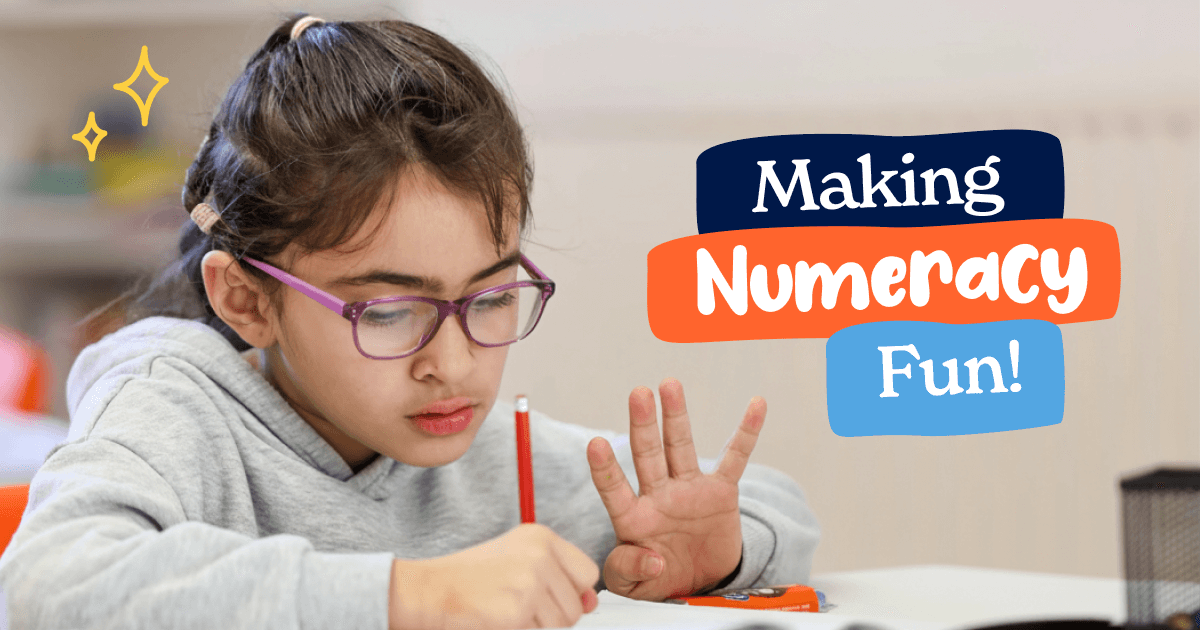
It is 6:00 pm. Dinner is cooking, the TV is on in the background, and there is a meltdown happening at the kitchen table.
"I just don't get it! I hate numbers!"
If this scene sounds familiar, you are not alone. For thousands of parents across the UK, the battle to help with maths homework is the most stressful part of the week. Unlike reading, which can be done snuggled up with a book, maths often feels like a test that both the parent and the child are failing.
But here is the secret: Maths isn't just about worksheets and silent classrooms. Maths is the language of the world around us.
The reason a child struggling with maths often feels frustrated is because, to them, it is just abstract squiggles on a page. To fix this, we need to take maths off the page and put it into their hands. We need to show them maths in the real world.
Whether your child is in Year 2 and learning to count, or in Year 6 and tackling ratios, this guide will show you how to turn everyday chores into fun numeracy skills for kids, banning the fear and building the fun.
The Invisible Barrier: Understanding "Maths Anxiety"
Before we get to the fun stuff, we need to address the elephant in the room.
Maths anxiety in children is a very real psychological phenomenon. It is that feeling of panic, mental block, and increased heart rate when asked to solve a problem. Research from National Numeracy suggests that negative attitudes towards maths are often passed down from parents to children.
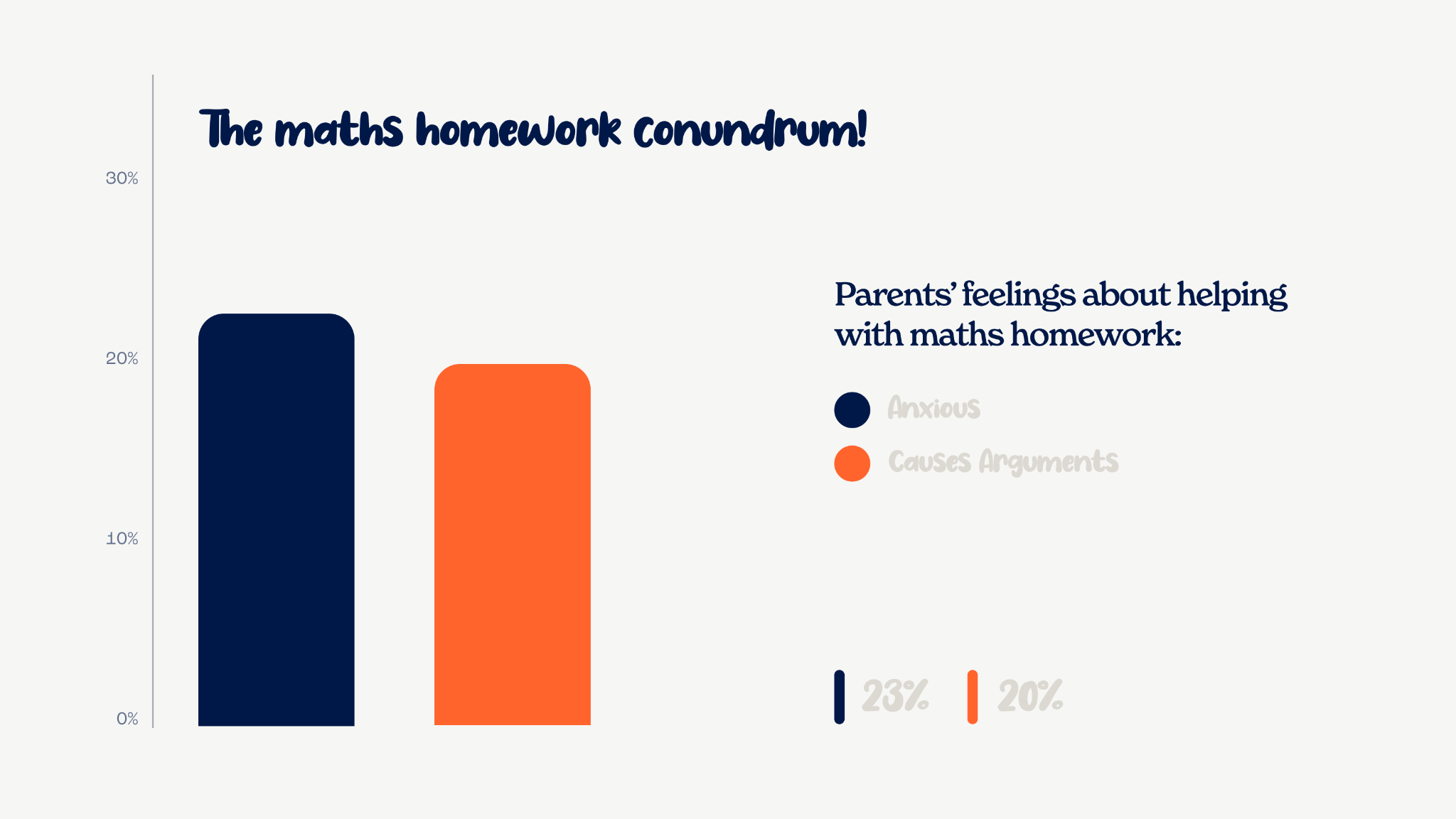
In fact, a survey by National Numeracy found that 23% of parents feel anxious about helping with maths homework, and 20% admit it causes arguments at home.
If you have ever said, "Don't ask me, I was always rubbish at maths" in front of your child, you have accidentally given them permission to give up.
The Fix: Fake it 'til you make it. Even if you find percentages terrifying, try to use positive language. Frame maths as a puzzle to be solved, not a trap to be feared. Building maths confidence starts with the parents' attitude.
1. Kitchen Maths: The Tasty Way to Learn 🧑🍳
The kitchen is the best classroom in the house. Kitchen maths is stealth learning - they are so focused on the cake, they don't realise they are doing fractions.
For KS1 (Ages 5-7):
- Weighing and Measuring: Move away from digital scales. Use the old-fashioned balance scales if you have them. Ask: "We need 200g of flour. The needle is on 100g. How much more do we need?"
- Counting: Simple but effective. "We need 12 cupcake cases. Count them out for me."
For KS2 (Ages 7-11):
- Ratio and Proportion: This is a huge topic in the SATs. Use a recipe to teach it. "This recipe feeds 4 people, but there are 6 of us eating. How do we adjust the ingredients?"
- Time Management: "The cake takes 35 minutes. It is 4:15 pm now. What time will it be ready?"
2. Supermarket Logic: Budgeting for Beginners 🍎🍏
The weekly shop is a goldmine for learning maths at home (or out of the home!). It turns abstract numbers into something they value: money.
The "Best Value" Challenge:
Supermarkets are designed to confuse us. Show your Year 6 child two brands of ketchup.
- Brand A: £2.00 for 500ml.
- Brand B: £3.50 for 1 litre.
- Ask them: "Which one is actually cheaper?" They have to use division and multiplication to figure out the best deal.
The Rounding Game:
Give them a budget of £5 for treats. As they put things in the basket, they have to round the price to the nearest 10p or pound and keep a running total in their head. If they get to the till and their estimate is within 50p of the real price, they get to keep the change.
3. Gamification: Maths Games for Kids 🎮
If you put a worksheet in front of a child, they sigh. If you put a board game in front of them, they cheer. Yet, the brain power required is the same.
Fun maths activities KS2 don't need to be educational apps. Classic board games are fantastic for mental arithmetic.
- Monopoly: The ultimate lesson in subtraction, money management, and budgeting.
- Yahtzee: Excellent for times tables and addition.
- Darts: (Use a magnetic board for safety!). This is brilliant for rapid subtraction from 501.
If you are looking for digital options, try our free puzzle-based games that encourage logic rather than just rote learning.
4. Travel Maths: Are We There Yet? 🚘
Stop the boredom on long car journeys by turning the drive into a maths lesson.
Number Plate Cricket (KS1):
Spot a number plate. Add the digits together. The first person to spot a "10" wins.
Speed and Distance (KS2):
This helps with the "Distance/Speed/Time" questions they will face in secondary school.
"We are travelling at 60 miles per hour. We have 30 miles left to go. How many minutes will it take?"
(Answer: 30 minutes).
Why is Maths Important? The Career Link
Children often ask, "When will I ever use this?"
It is a fair question.
To help overcome the fear of maths, we need to link it to their passions.
- Do they love football? Look at the Premier League table. Discuss goal difference (positive and negative numbers).
- Do they love gaming? Explain that the video game they love is entirely built on code, which is essentially complex algebra and logic.
- Do they love fashion? Discuss profit margins, material costs, and measuring sizes.
When they see that maths is the tool used to build the things they love, the resistance fades.
Professional Support: How Learning Cubs Can Help
Sometimes, despite your best efforts with kitchen scales and monopoly money, a child needs a structured environment to truly close the gap. At Learning Cubs, we move beyond "keeping up" and help children strive for mastery.
We tailor our maths support to three critical stages of your child's development:
Key Stage 1: Building the Foundation (Ages 5–7)
The goal here is simple: Confidence.
We see too many primary school children arrive in Year 3 already believing they are "bad at maths." Our KS1 specialists use visual learning and hands-on tools to ensure the basics of place value, addition, and subtraction are rock solid. We turn "I can't" into "I'll try."
Key Stage 2: SATs and Secondary Readiness (Ages 7–11)
As young children move towards Year 6, the curriculum accelerates. We focus on demystifying the topics that cause the most anxiety, such as fractions, decimals, and percentages.
By preparing them thoroughly for their SATs, we ensure they don't just pass the test, but start secondary school with the numeracy skills needed to thrive in Key Stage 3.
The 11+ Exam: The Competitive Edge
For families aiming for grammar or independent schools, the 11+ requires a different gear entirely. It is not just about getting the answer right; it is about speed, accuracy, and problem-solving under pressure.
Our 11+ programme is rigorous and targeted. We cover the advanced mathematics required for the GL and CEM assessments, while also integrating the Verbal and Non-Verbal Reasoning skills that rely heavily on mathematical logic. We teach the exam technique that schools simply don't have time to cover.
Conclusion: Little & Often
You do not need to sit down for a three-hour maths session on a Saturday. In fact, that is likely to do more harm than good.
The key to building numeracy skills for kids is "little and often." Five minutes of times tables in the car, ten minutes of measuring in the kitchen, and two minutes of budgeting in the shop.
By integrating maths in the real world, you remove the fear factor. You stop it being a "test" and start making it a life skill.
Is your child still struggling to grasp the basics?
Sometimes, despite all the fun activities, a child needs a structured intervention to close the gap. Our programmes are designed to turn "I can't" into "I can."
Book a Free Assessment Today and let's get them loving numbers again.


.png)


