



Supporting SEND students during their GCSE exams is crucial. These students face unique challenges that require tailored strategies for success. Understanding their individual needs is the first step. After all, each SEND student possesses distinct learning styles and requirements.
Teachers and parents play vital roles in this supportive process. Their collaboration is essential for providing effective assistance. A nurturing environment is key, encompassing both the physical spaces where learning occurs and the emotional frameworks that help students thrive.
SEND student revision strategies must be adapted as well. Creating personalised learning plans can effectively engage SEND students, ultimately improving their outcomes.
Additionally, assistive technology serves as an important tool, offering resources that help overcome barriers and enhance learning experiences.
Managing stress is equally critical. GCSE exams and SEND students can be a recipe for stress and anxiety so techniques that promote well-being can make a noticeable difference. Encouraging SEND students to practise self-advocacy and communicate their needs confidently empowers them in their educational journeys.
This guide will explore these aspects in detail, aiming to provide comprehensive strategies for supporting SEND students as they prepare for and navigate their GCSE exams. By understanding and addressing their unique needs, we can help them achieve success.
Understanding SEND Students at KS4: Needs and Challenges
As of January 2025, over 1.7 million pupils in England are identified as having Special Educational Needs (SEN), representing nearly 20% of the total student population.
These SEND students at KS4 face distinct challenges, and recognising these needs is crucial for effective support. Each student is unique, necessitating individualised approaches.
SEND students at KS4 face distinct challenges. Recognising these needs is crucial for effective support. Each student is unique, necessitating individualised approaches.
Learning difficulties can vary widely; some students may have cognitive impairments that affect concentration and comprehension, while others might struggle with physical disabilities that require specific accessibility considerations. Emotional and behavioural difficulties often come into play as well. For instance, anxiety can significantly hinder focus during exams, making it vital to understand these emotional factors as we create supportive strategies.
Tailored interventions are often necessary. Flexibility and creativity in lesson planning empower teachers to adapt their teaching styles to meet diverse learning needs. Moreover, collaboration among educators, parents, and specialists enriches the learning experience. Working together ensures a unified approach that effectively supports each student. Open communication is the cornerstone of this collaboration.
Building a positive and accommodating learning environment is essential.
This may include addressing sensory needs, such as reducing noise for students sensitive to sound. Even simple environmental modifications can make a significant difference.
Key Challenges Faced by SEND Pupils at KS4:
- Diverse learning difficulties requiring personalised support.
- Emotional and behavioural factors impacting exam performance.
- The need for accessible learning environments.
Understanding these challenges lays the groundwork for effective support strategies. By addressing the specific needs of SEND students, educators and caregivers can empower them to succeed.
Teachers can leverage various tools to enhance learning for SEND students. Incorporating visual aids, such as graphics and diagrams, assists in clarifying complex concepts while making lessons more inclusive and engaging. Technology offers promising solutions, too. Tools like screen readers and speech-to-text software provide vital support, bridging gaps in learning and communication.
Creating a structured routine benefits students significantly. Predictability helps many SEND students feel secure and focused. Consistent timetables offer a framework for successful learning. Recognising and addressing the unique needs of SEND students at KS4 is pivotal. With the right support, these students can excel in their GCSE exams.
Legal Framework & Entitlements for SEND Students in GCSE Exams
The legal framework ensures that SEND students receive fair exam conditions. Understanding these regulations is critical for implementing proper support. Schools must adhere to these laws, both for compliance and the welfare of their students.
SEND students are entitled to specific adjustments during exams. These adjustments may include extra time, the use of a scribe, or access to assistive technologies.
Output (British English):
Exam boards determine these provisions based on individual needs, so it is essential for parents and educators to be familiar with these entitlements to advocate effectively for necessary adjustments. Ensuring these provisions are in place requires collaboration between schools and exam boards.
To facilitate this, proper documentation of a pupil's needs is essential. Educational psychologists or SENCOs typically provide this documentation, which forms the basis for requesting adjustments during exams.
Common Entitlements for SEND Pupils:
- Extra time to complete exams.
- The use of scribes or readers.
- Special seating arrangements.
- Access to assistive technology.
Schools play a vital role in ensuring that all entitlements are met. Coordination with exam boards is necessary to arrange adjustments; without these supports, pupils may struggle unnecessarily. Being proactive in understanding and securing these rights is crucial.
Output (British English):
Early planning and consistent communication help ensure smooth implementation, affording SEND students a fair chance to succeed.
Building a Supportive Environment: Home & School Collaboration
Creating a supportive environment involves teamwork between home and school. Both parties play integral roles in a SEND student's success, and effective collaboration can lead to substantial improvements.
Communication is key in fostering this partnership. Regular updates between teachers and parents ensure aligned goals and help identify emerging issues promptly. Home can be a haven for supportive learning; parents can establish routines that mirror school strategies. Consistency reinforces learning and revision at home.
Schools should provide clear information about their students' needs, including insights into learning styles and preferences. By equipping parents with this knowledge, they can enhance support at home.
Ways to Foster Collaboration:
- Hold regular parent-teacher meetings.
- Share strategies for home learning.
- Encourage open communication channels.
- Provide resources for parent education.
Teachers should remain accessible to discuss student progress. Utilising technology for communication helps bridge gaps easily, ensuring that any concerns or successes are communicated swiftly.
Joint problem-solving between parents and schools can lead to creative solutions, such as adapting teaching methods or learning environments. Ultimately, collaboration hinges on the shared goal of pupil achievement.
Effective SEND Pupil Revision Strategies
Tailoring revision strategies for SEND pupils can significantly enhance their learning experience. These strategies should cater to various learning styles and challenges.
- Visual aids are powerful tools in revision: Diagrams, charts, and mind maps aid understanding by helping pupils visualise complex information clearly. Breaking down tasks into smaller, manageable chunks avoids overwhelming the pupil with too much at once, allowing for focused and achievable progress over the long term.
- Establishing a consistent study schedule is also crucial: Regular study habits and effective revision foster familiarity and reduce anxiety. This structure provides a comforting routine for pupils.
- Incorporating multi-sensory learning techniques can be engaging: Combining auditory, visual, and kinaesthetic activities makes learning more memorable. Experimenting with different senses can reveal the most effective strategy for each pupil.
Revision Tools and Techniques:
- Mind maps and graphic organisers
- Flashcards for key terms and concepts
- Past paper practice under exam conditions
- Storytelling to enhance memory retention
Encouraging the use of mnemonic devices simplifies complex ideas into easy-to-remember formats, boosting recall during exams. Regular feedback from teachers can guide improvements and highlight strengths, while parents can offer gentle, positive reinforcement.
Setting realistic and achievable goals fosters motivation. Goals provide direction and purpose in revision efforts, and acknowledging small achievements boosts confidence, encouraging continued effort.
Tips for Tailored Strategies:
- Personalise revision to the student's strengths.
- Encourage frequent short breaks to maintain focus.
- Adapt strategies based on ongoing feedback.
- Use creative arts to enhance learning.
Flexibility is vital in adapting strategies as needed.
What works at one time might require adjustments later. Being responsive to the student's evolving needs is essential. These strategies can transform the revision experience from daunting to manageable, enabling SEND students to approach exams with greater confidence and preparedness.
Using Assistive Technology and Resources
Assistive technology can be a game-changer for SEND students during their GCSE exams. These tools offer much-needed support and accessibility, enabling personalised learning experiences that cater to diverse needs - for example, software that adjusts text size or provides audio support can prove invaluable.
In fact, recent Department for Education trials found that 89% of staff saw increased confidence in SEND pupils using these technologies.
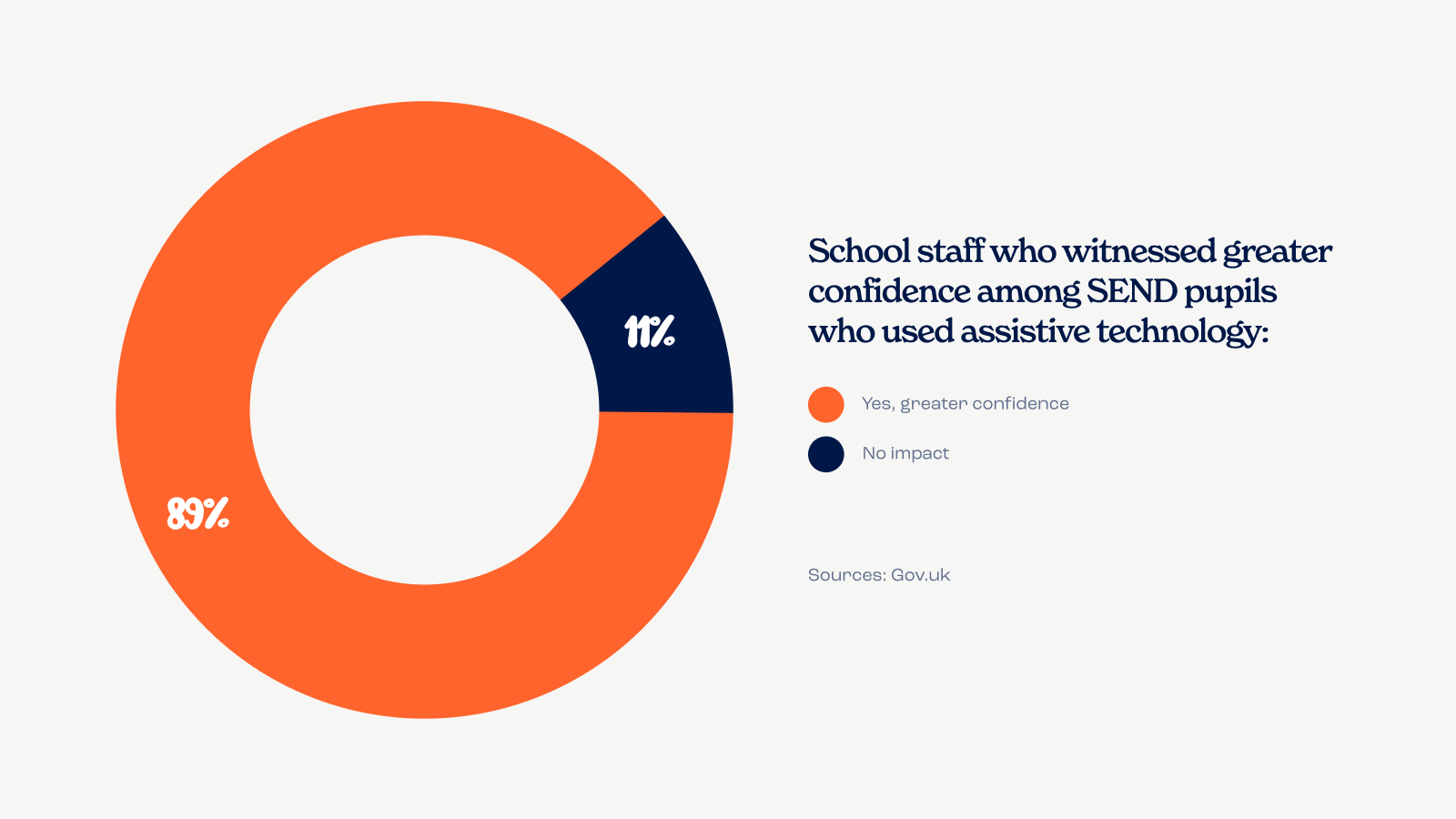
Digital tools enhance engagement; software that adjusts text size or provides audio support can prove invaluable. Access to audiobooks aids those who struggle with reading, as listening options cater to auditory learners and transform the way students absorb information.```
Speech-to-text software presents another layer of support, allowing students to articulate their thoughts without the need to write them down. This approach effectively breaks down writing barriers and fosters confidence.
Recommended Assistive Technology:
- Text-to-speech software
- Digital planners and organisers
- Apps for focus and concentration
- Audiobook subscriptions for various subjects
Mainstream schools must ensure that these resources are readily available and easy to use. Providing training on their use is equally important to maximise the benefits students can gain from these technologies. Collaborating with special education professionals can enhance technology adoption, as experts can recommend tools suited to individual needs.
Integrating these resources into daily routines allows students to navigate challenges more effectively, making learning accessible, efficient, and enjoyable for SEND students.
Differentiation & Personalised Learning Plans
Differentiation is crucial in supporting SEND students throughout their GCSE journey. It involves tailoring instruction to meet individual needs, acknowledging the diversity of students' abilities and learning styles.
Personalised learning plans are invaluable in this context, helping to set clear objectives aligned with each student's needs. These plans ensure that learning is relevant and accessible. Incorporating student interests can enhance motivation and engagement; contextualising content in ways that resonate with students makes learning more meaningful.
A personalised approach also involves flexible assessment methods. Differentiating assessment tasks allows students to demonstrate understanding in varied ways, accurately measuring progress and capabilities.
Key Aspects of Personalised Learning:
- Setting specific, attainable goals.
- Employing a variety of teaching methods.
- Providing opportunities for self-paced learning.
- Incorporating feedback and reflection.
Effective differentiation requires collaboration among educators, parents, and students. Open communication channels ensure that everyone is aligned with each student's goals and progress, ultimately fostering a supportive learning environment.
Personalising learning empowers SEND students. It equips them with strategies and resources tailored to their unique needs, enhancing their ability to succeed in GCSE exams and beyond.
Managing Exam Stress & Promoting Well-being
Exam stress is a common challenge for SEND students. However, stress can be managed effectively with the right strategies. It is essential to balance study with relaxation.
Incorporating relaxation techniques helps reduce anxiety.
Methods such as deep breathing and mindfulness have proven to be beneficial, allowing students to stay calm and focused.
Promoting a balanced lifestyle contributes to overall well-being. Regular physical activity, healthy eating, and adequate sleep play vital roles. These habits help maintain energy levels and focus.
Creating a supportive environment is crucial for managing stress. Encouraging open communication allows students to express concerns. Teachers and parents should strive to be approachable and understanding.
Stress-Reducing Strategies:
- Mindfulness practices and relaxation techniques.
- Regular physical activity and outdoor time.
- Balanced diet with nutritious meals.
- Consistent sleep schedule.
- Encouraging hobbies and leisure activities.
Additionally, fostering a positive mindset is important. Celebrating small achievements builds confidence and motivation, preparing students to feel more capable and less overwhelmed.
Educators and parents should work together to support well-being. Providing emotional support alongside academic help is key, leading to a more positive exam experience for SEND students.
Preparing for Exam Day: Practical Tips & Arrangements
Preparing for exam day involves strategic planning. Ensuring all arrangements are in place is crucial. Students should be familiar with the exam venue in advance.
Parents and teachers must arrange transport, as arriving early reduces anxiety and allows time for adjustments. Familiar surroundings help ease nerves on exam day.
Reviewing exam rules and formats can significantly boost confidence. Students should know what to expect, and practice runs can familiarise them with exam settings.
Providing the right equipment is also important; ensure students have appropriate tools, such as calculators, and that they are accustomed to using any assistive technology.
Exam Day Checklist for Students:
- Check materials and equipment.
- Ensure exam timetable is noted.
- Bring necessary identification and documents.
- Wear comfortable clothing.
- Consume a nutritious meal beforehand.
Accommodations should be double-checked with exam centres to ensure seating arrangements suit individual needs, and any additional support, like scribes or readers, must be confirmed.
Practical Tips for a Smooth Exam Day:
- Get plenty of rest the night before.
- Encourage time management during the exam.
- Advise periodic stretching to stay relaxed.
- Create a positive morning routine.
- Reinforce a calm mindset through deep breaths.
Lastly, emotional support is critical. Encouraging students with positive reinforcement and reassuring them that taking breaks is acceptable can help create a more manageable exam day.
By equipping students with the right tools and mindset, exam day becomes less daunting.
Teachers and parents play pivotal roles in facilitating this process through clear communication and thorough preparation, ultimately leading to successful outcomes.
Communication & Advocacy: Empowering SEND Students
Empowering SEND students hinges on effective communication. Open lines between students, parents, and educators are vital. Transparency helps to address individual needs more effectively.
Self-advocacy is an essential skill for SEND students. Encouraging them to express their needs and preferences fosters their confidence. They should feel comfortable seeking help and voicing concerns.
Building confidence involves teaching students to articulate their challenges. Role-playing different scenarios can enhance their communication skills, preparing them for real-life interactions.
Peer mentoring also encourages mutual support and learning.
Establishing buddy systems provides additional emotional and academic support, fostering a sense of community and shared experience.
Strategies for Empowering SEND Students:
- Teach self-advocacy skills.
- Encourage open dialogue with teachers and parents.
- Facilitate peer support groups.
- Provide access to student support services.
- Encourage participation in decision-making processes.
Teachers play a crucial role in fostering advocacy. They should offer opportunities for students to discuss their learning styles, tailoring educational approaches to be more effective.
By promoting active student participation, empowerment becomes tangible. Students learn to navigate their educational journey with increased autonomy, fostering a proactive approach to learning and personal growth.
Training & Resources for Teachers & Parents
Supporting SEND students requires dedicated training and resources.
Both teachers and parents must be equipped to address diverse needs. Comprehensive training can bridge understanding gaps.
Teachers should have access to ongoing professional development. This training should encompass inclusive teaching strategies and managing diverse learning styles. Workshops and seminars can provide practical insights.
Parents also need support. Resources such as guides and online courses enhance their understanding of SEND needs and effective collaboration with schools.
Recommended Resources for Support:
- Online courses on inclusive education.
- Workshops focused on SEND student needs.
- Guides for effective communication strategies.
- Access to SEND-focused community groups.
- Literature on assistive technologies and tools.
Utilising these resources benefits all stakeholders. Empowered teachers can create more inclusive classrooms, whilst informed parents can advocate more effectively for their children's needs.
Ultimately, equipping both educators and parents fosters a supportive learning environment. With the right tools and knowledge, they can work collaboratively to maximise each SEND student's potential.
Case Studies: Success Stories & Lessons Learned
Real-life stories can illuminate effective strategies for supporting SEND students.
Consider Emily, a student with dyslexia who significantly strengthened her reading skills by employing assistive technology and personalised teaching.
Emily's teachers embraced digital tools specifically tailored to her learning needs. This approach not only enhanced her comprehension but also boosted her confidence. Learning at her own pace transformed what could have been a barrier into an opportunity.
Another inspiring case is Liam, who has autism.
His school implemented a structured and predictable routine that provided clear expectations and consistent support. As a result, Liam thrived both academically and socially.
His parents collaborated closely with teachers, ensuring seamless communication and a cohesive approach to meet Liam's unique challenges. His story showcases how a partnership between home and school can lead to significant achievements.
These success stories underline the power of tailored interventions and dedicated support, highlighting flexibility, communication, and understanding in education. The lessons learned from these cases can inspire new ways to support children with SEND on their GCSE journey.
Key Takeaways for Supporting SEND Students with Exams
Supporting SEND students during their GCSEs requires understanding and empathy.
Tailored strategies can profoundly impact their success, including personalised learning plans and structured support both at school and at home.
Effective communication among teachers, parents, and students is fundamental, ensuring that each unique need is met. Collaboration fosters an environment where SEND students feel understood and capable.
Empowering SEND students to advocate for themselves enhances their confidence. With appropriate resources and encouragement, they can overcome obstacles, preparing not only for exams but for life beyond school.


.png)
.png)
.png)


