%C2%A0.jpg)
Picture the scene. You have set up a quiet space, sharpened the pencils, and laid out the homework diary. You ask your child to write a short paragraph about their weekend. What follows is a groan, a slumped posture, ten minutes of staring at a blank page, and finally, a single, illegible sentence squeezed onto the top line of the paper.
If your child hates writing, you are navigating one of the most common—and frustrating—parenting challenges in modern education.
We often view reading and writing as identical twins, but they are entirely different experiences for a child. Reading can be passive and cozy; you can snuggle up with a book and let the author do the heavy lifting. Writing, however, is a grueling act of creation. It requires a child to conjure an idea out of thin air, remember how to spell the words, recall the rules of punctuation, and physically manipulate a pencil to form letters. It is an immense cognitive load.
If you are wondering how to help a child with writing without turning your kitchen table into a battleground, this comprehensive guide is for you. Whether you have a Year 1 student struggling with handwriting or a Year 6 student who refuses to write anything longer than a text message, we are going to explore why this resistance happens and provide practical, tear-free strategies to improve writing skills at home.
1. The Anatomy of the Struggle: Why is My Child Struggling with Writing?
Before we can fix the problem, we need to diagnose it. When a parent asks, "Why is my child struggling with writing?" the answer usually falls into one of three categories: Physical, Cognitive, or Emotional.
The Physical Hurdle: The Mechanics of Handwriting
For younger children, the sheer physical act of writing is exhausting. The muscles in their hands and fingers are still developing. If they are struggling with handwriting, it is often because they lack the fine motor skills required for stamina. If gripping the pencil hurts, or if it takes immense concentration just to form the letter 'a' correctly, they will naturally want to write as little as possible.
The Cognitive Hurdle: The "Overload"
Writing is the ultimate multitasking challenge. Think about what a Key Stage 2 child must juggle simultaneously to write a single sentence:
- Ideation: Coming up with something to say.
- Vocabulary: Choosing the right words.
- Spelling: Remembering phonics and tricky spellings.
- Grammar: Ensuring the sentence makes sense.
- Punctuation: Remembering capital letters, full stops, and commas.
- Formatting: Keeping the writing on the line and spacing words evenly.
When a child’s brain is overloaded by trying to remember how to spell "because," they completely forget the brilliant story idea they had a moment ago.
The Emotional Hurdle: Fear of the Red Pen
Writing is incredibly vulnerable. When a child writes, they are putting a piece of themselves on paper, only to have it immediately judged for spelling errors and messy handwriting. For a perfectionist child, the fear of making a mistake can lead to total paralysis. They become a reluctant writer because it is safer not to try than to try and get it "wrong."
2. Bridging the Gap: Getting Boys to Write
While writing reluctance affects all genders, statistics consistently show a significant "boy gap" in literacy. According to research by the National Literacy Trust, boys are consistently less likely than girls to enjoy writing or write in their free time.
Getting boys to write often requires a strategic shift in how we present the task.
- Action over Description: Boys are often drawn to high-action, fast-paced narratives rather than descriptive scene-setting. Allow them to write about battles, superheroes, sports, or video games. If they want to write a Minecraft comic strip instead of a poem about autumn leaves, let them! (You can even tie this into their digital interests, as we discussed in our recent guide: Screen Time That Works: Building Digital Literacy).
- Purposeful Writing: Many boys engage better when the writing has a clear, real-world purpose. Writing a letter of complaint to a toy company, creating a fact file about their favorite footballer, or making a list of equipment needed for a camping trip feels "useful" compared to writing a story for the sake of it.
- Humor and the Absurd: Embrace the gross, the funny, and the ridiculous. A story about a burping alien will almost always get more words onto the page than a sensible story about a trip to the park.
3. Laying the Foundations: KS1 Writing Tips (Ages 5–7)
In Key Stage 1, the primary goal is not to produce Charles Dickens; the goal is to build confidence, establish fine motor skills, and make the connection between spoken words and written marks.
Here are the most effective KS1 writing tips for home:
Focus on Fine Motor Skills Before the Pencil
If handwriting is messy or painful, step away from the paper. Build the hand muscles through play:
- Playdough: Pinching, rolling, and squishing playdough is a secret handwriting workout.
- Threading: Threading beads onto a string or using lacing cards builds the "pincer grip" needed for holding a pencil.
- Tweezers: Have them use plastic tweezers to sort small items (like dried beans or beads) into different bowls.
Multi-Sensory Writing
Remove the pressure of the permanent pencil mark. Have them practice letter formation using their fingers in:
- A tray of sand or salt.
- Shaving cream squirted onto the kitchen table.
- Condensation on a window.
- Chalk on the pavement outside.
The Power of Dictation (You be the Scribe)
Often, a Year 1 or Year 2 child has incredible, imaginative stories in their head, but their physical writing speed cannot keep up with their brain. This causes extreme frustration.
The Solution: You act as their scribe. Ask them to tell you a story, and you write it down exactly as they say it. This allows them to practice the cognitive skill of storytelling and sentence structure without the physical burden of handwriting. Later, they can draw the pictures to accompany your text.

4. Building Stamina and Style: KS2 Writing Tips (Ages 7–11)
As children move into Key Stage 2, the expectations skyrocket. They are expected to write in paragraphs, use complex punctuation (like speech marks and apostrophes), and adapt their tone for different audiences.
To help them navigate this without becoming a reluctant writer, try these strategies:
Separate the "Creator" from the "Editor"
The biggest mistake children make is trying to edit while they draft. Teach them that all professional authors write a messy first draft.
- Step 1: The "Brain Dump" (The Creator): Set a timer for 10 minutes. Tell them to write their story or argument without stopping. Tell them you do not care about spelling, neatness, or full stops. The only rule is to keep the pencil moving.
- Step 2: The Polish (The Editor): Only once the ideas are on the page do you put on your "editor" hats. Now, take a different colored pen and look for places to add a capital letter or check a spelling.
Embrace Real-World Writing
Writing shouldn't just exist in homework books. Show them that writing is a tool for life. We recently discussed finding Maths in the Real World, and literacy is exactly the same!
- The Family Shopping List: Ask them to be in charge of writing the grocery list.
- Emailing Relatives: Have them type an email or write a letter to a grandparent.
- Reviews: After watching a movie or finishing a book, ask them to write a 3-sentence review out of 5 stars. BookTrust is a fantastic resource for finding books that inspire great reviews!
Give Them an Audience
Writing feels pointless if the only person reading it is a teacher with a marking pen. Give their writing an audience. If they write a story, bind it into a little book and read it as the family bedtime story. If they write a persuasive letter about climate change, actually put it in an envelope and post it to your local MP.
5. Stealth Literacy: Fun Writing Activities for Kids
The best way to improve writing skills at home is to disguise it as play. Here are several fun writing activities for kids that feel like games rather than homework.
The Post-It Note War 📝
Buy a pack of colorful Post-it notes. Start by leaving a short, funny note on your child’s bedroom door or lunchbox (e.g., "I have hidden a chocolate biscuit somewhere in the kitchen. Can you find it?"). Encourage them to write a reply. Before long, you will be having full written conversations stuck to the fridge. This is low-pressure, bite-sized writing.
Story Stones 🪨
Collect a handful of smooth pebbles from the garden or beach. Paint or draw a simple image on each one (a house, a monster, a rocket, a key, a cat). Put them in a bag. Have your child pull out three stones at random, and challenge them to write a short story that includes all three of those elements.
Comic Book Creators 🦸♂️
For the child who refuses to write paragraphs, comic strips are the ultimate gateway tool. The boxes break the writing down into manageable chunks, and the reliance on dialogue (speech bubbles) teaches them how to format speech without the stress of complex punctuation. You can print free blank comic templates online or draw them yourself.
The "Silly Sentences" Game
Write down a list of adjectives, a list of nouns, and a list of verbs on separate scraps of paper. Put them into three different bowls. Have your child draw one from each bowl and write a sentence using all three. You will end up with hilarious combinations like: "The glittering hippopotamus tap-danced." It’s a fantastic way to teach grammar components without a textbook.
6. Inspiring the Imagination: Creative Writing Prompts for Kids
Sometimes, the hardest part of writing is simply starting. The "blank page syndrome" can crush motivation instantly.
Keep a jar on the kitchen table filled with creative writing prompts for kids. Whenever they need to do writing practice, let them pull one out. Here are some high-engagement prompts to get you started:
Imaginative Prompts:
- You wake up one morning and realize you can understand everything your pet is saying. What is their first complaint?
- You find a secret door at the back of your school library. Where does it lead?
- Write a recipe for a potion that makes you invisible. What disgusting ingredients do you need?
Persuasive Prompts:
- Write a letter to your parents explaining why your bedtime should be extended by one hour.
- You are trying to sell a haunted house to a family of vampires. Write the property listing.
Instructional Prompts:
- Write a step-by-step guide for an alien on how to make a jam sandwich.
7. Board to Brilliance: KS2 Literacy Games
Screen-free family time is an excellent opportunity to build vocabulary and spelling skills. Integrate these KS2 literacy games into your weekend routine.
- Boggle: A brilliant, fast-paced game that teaches children to look for letter patterns and common suffixes/prefixes.
- Consequences (The Fold-Over Game): A classic parlor game. Player 1 writes a name (e.g., Mr. Bean), folds the paper so it’s hidden, and passes it. Player 2 writes who they met (The Queen). Player 3 writes where they met (On a rollercoaster). Player 4 writes what he said to her. Player 5 writes what she said to him. Player 6 writes the consequence. Unfold and read the hilarious story aloud!
- Story Cubes: Similar to the Story Stones mentioned above, these are store-bought dice with pictures on them. Roll the dice and use the images to verbally construct a story, taking turns sentence by sentence.
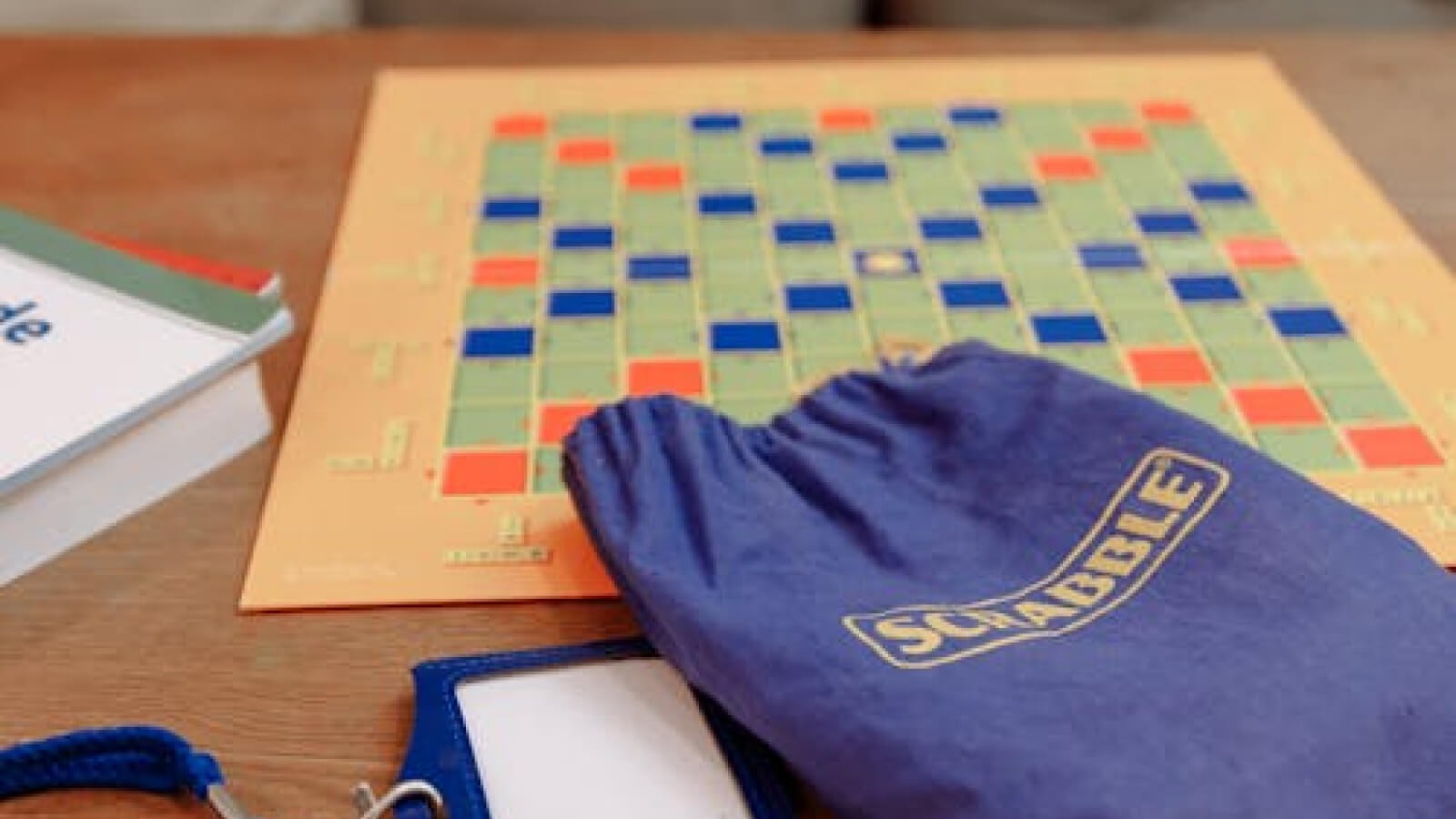
- Scrabble or Bananagrams: These classic games are phenomenal for spelling practice and expanding vocabulary. (Tip: Allow KS1 children to use a dictionary or team up with an adult to keep it fair).
8. How to Handle Corrections (Without Crushing Confidence)
This is the most delicate part of parental support. How do you correct your child's mistakes without making them feel like a failure?
If a child hands you a piece of writing they worked hard on, and the first thing you say is, "You spelled 'friend' wrong and you forgot your capital letters," they will likely refuse to write for you again.
The "Praise First, Pick One" Method:
- Read for Content First: Always react to what they wrote before how they wrote it. "Wow, I loved the part where the dragon sneezed fire! That was so funny." Validate their effort and imagination.
- Pick ONE Focus: Do not correct every single spelling mistake or missed comma. The red ink will overwhelm them. If their current school target is capital letters, only look for capital letters. Ignore the misspelled words for now.
- Use the "Check This Line" Trick: Instead of pointing directly at a mistake, put a small dot next to the line where the mistake lives. Say, "There is one spelling mistake on this line. Can you be a detective and find it?" This turns correction into a puzzle rather than a reprimand. For more advice on navigating the UK curriculum expectations at home, resources from Oxford Owl are incredibly helpful for parents.
Conclusion: Patience, Praise and Practice
Supporting writing development at home is a marathon, not a sprint. The journey from a reluctant writer to a confident author is paved with small, consistent victories.
By removing the pressure of perfection, focusing on fine motor skills, embracing fun writing activities for kids, and showing them that writing has a real-world purpose, you can transform the kitchen table from a place of frustration into a place of creativity.
Remember, you are not trying to replace their school teacher; you are trying to be their chief cheerleader. Celebrate the messy drafts, laugh at the silly sentences, and let their imaginations run wild.
Is Your Child Still Falling Behind in Writing? Let Learning Cubs Help! 🙋♀️
Sometimes, despite all the creative prompts and supportive environments at home, a child needs targeted, professional intervention to unlock their potential.
If your child is struggling with phonics, handwriting, grammar, or simply lacks the confidence to put pen to paper, the expert tutors at Learning Cubs are here to help. We specialize in turning reluctant writers into confident communicators, aligning our engaging lessons perfectly with the UK National Curriculum for both Key Stage 1 and Key Stage 2.
We don't just teach children how to write; we teach them how to enjoy writing.
Ready to see the difference?
Take the first step towards transforming your child's literacy skills today.
Register for a FREE Assessment at your local Learning Cubs Centre!
FAQs
How much time should my child spend practicing writing at home?
For primary-aged children (KS1 and KS2), quality is far more important than quantity. Ten to fifteen minutes of focused, positive writing practice is much better than an hour of crying over a blank page. Aim for "little and often." Sneak writing into daily life, like writing a quick grocery list or a short postcard, rather than forcing long essay sessions.
Should I correct every spelling mistake my child makes?
No. Correcting every single error can crush a child's confidence and turn them into a reluctant writer. Instead, use the "Praise First, Pick One" method. Always praise their ideas and effort first. Then, pick just one thing to focus on—for example, check that they have used capital letters correctly, but ignore the misspelled words for that specific session.
My 6-year-old’s handwriting is completely illegible. Should I make them trace letters?
Tracing has its place, but illegible handwriting in early KS1 is often a sign of weak fine motor skills, not a lack of trying. Before forcing them back to the pencil, build their hand strength through play. Activities like squeezing playdough, threading beads, or using tweezers to pick up small objects are excellent for developing the "pincer grip" needed for neat handwriting.
How can I get my son interested in writing? He refuses to write stories.
Boys often prefer writing that feels purposeful or action-packed. Don't force him to write descriptive stories if he hates them. Encourage him to write comic strips, fact files about his favorite football team, instructions for a video game, or even a persuasive letter asking for a later bedtime!