If you are a Blackburn parent wondering how to get your child into a grammar or selective school, here is the short answer: Blackburn does not have its own state grammar school, but your child can sit the entrance test for nearby schools.
Clitheroe Royal Grammar School, a free, selective state grammar a short journey away, or closer to home, QEGS Blackburn is a free, non-selective school with a strong academic ethos.
The most important thing to know first is this: both of these schools are completely free to attend. You only pay fees if you choose a private independent school instead.
This guide explains, in plain English, exactly which grammar schools near Blackburn your child can apply to in 2026, how the 11+ entrance test works, what the catchment rules mean for you, how places are handed out, and how to give your child the best possible chance, whatever your budget.
Grammar, free school or independent: what is the difference?
Before we dive in, it’s important to distinguish between school types. So here’s a quick breakdown or grammar schools vs free schools vs academies vs independent schools:
- State grammar school (for example Clitheroe Royal): free to attend, but selective, so your child must reach a high standard in an entrance test to be eligible.
- Free school or academy (for example QEGS Blackburn): free to attend and non-selective, with no competitive pass mark, though there may be an assessment used for banding.
- Comprehensive school (like Blackburn Central High School): free to attend and non-selective - places by catchment or distance
- Independent (private) school: charges fees, sets its own entrance exam, and may offer bursaries to help with costs.
In other words, ‘grammar’ in a school’s name does not always mean ‘selective’, and it never means ‘expensive’ when the school is state-funded. If cost is a concern for your family, the state grammar and free-school routes are designed to be open to everyone on merit.
Which selective schools can a Blackburn child apply to?
There are two main routes for academically able children in the Blackburn area, plus a private option.
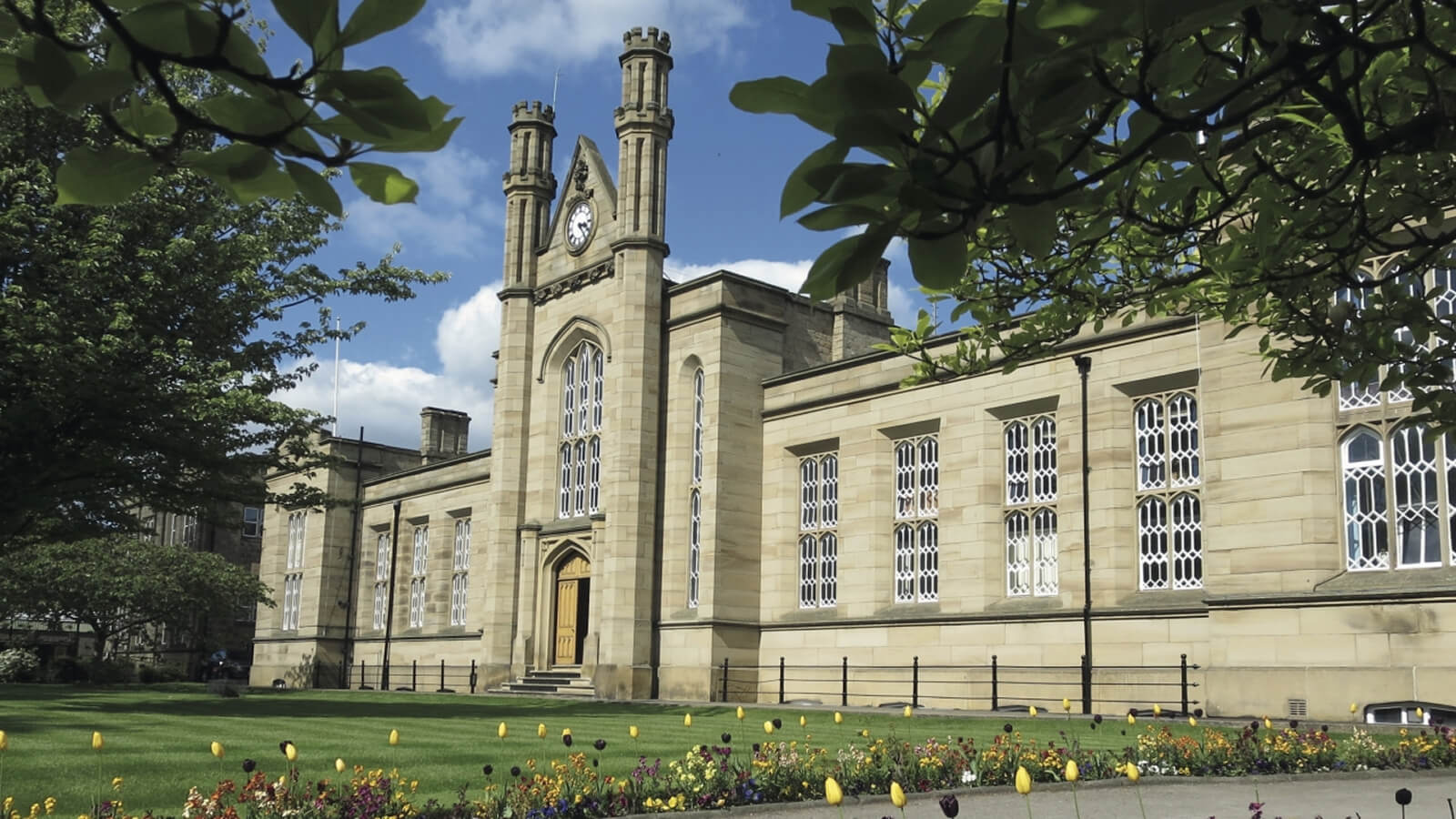
1. Clitheroe Royal Grammar School (CRGS), free and selective
Clitheroe Royal Grammar School is a state grammar school, which means it is funded by the government and free to attend, but children must pass a competitive entrance test (the 11+) to win a place. It takes 180 pupils into Year 7 each year and is one of only four grammar schools in Lancashire.
The main school sits on the Chatburn Road site in Clitheroe, with a separate sixth form in the town. It is rated Outstanding by Ofsted, highly regarded and oversubscribed, so a place is competitive, but it costs nothing in fees.
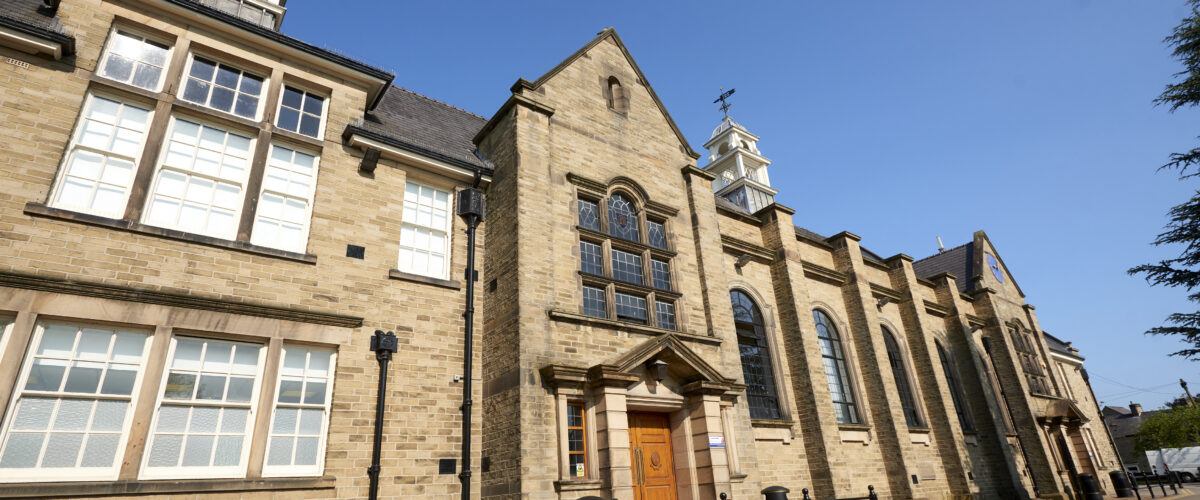
2. QEGS Blackburn, free and non-selective with an academic ethos
Queen Elizabeth’s Grammar School (QEGS) in Blackburn used to be a private school but is now a state-funded free school, so it no longer charges fees.
Despite the word ‘grammar’ in its name, it is officially non-selective.
It does ask applicants to sit an online assessment, but this is used for ‘fair banding’, which means spreading the intake evenly across the ability range rather than simply taking the top scorers. You can read more about the QEGS Year 7 admissions process and the Cambridge Select Insight assessment it uses. For many Blackburn families this is the most accessible academic option, because it is free and you do not need to ‘pass’ in the traditional sense.
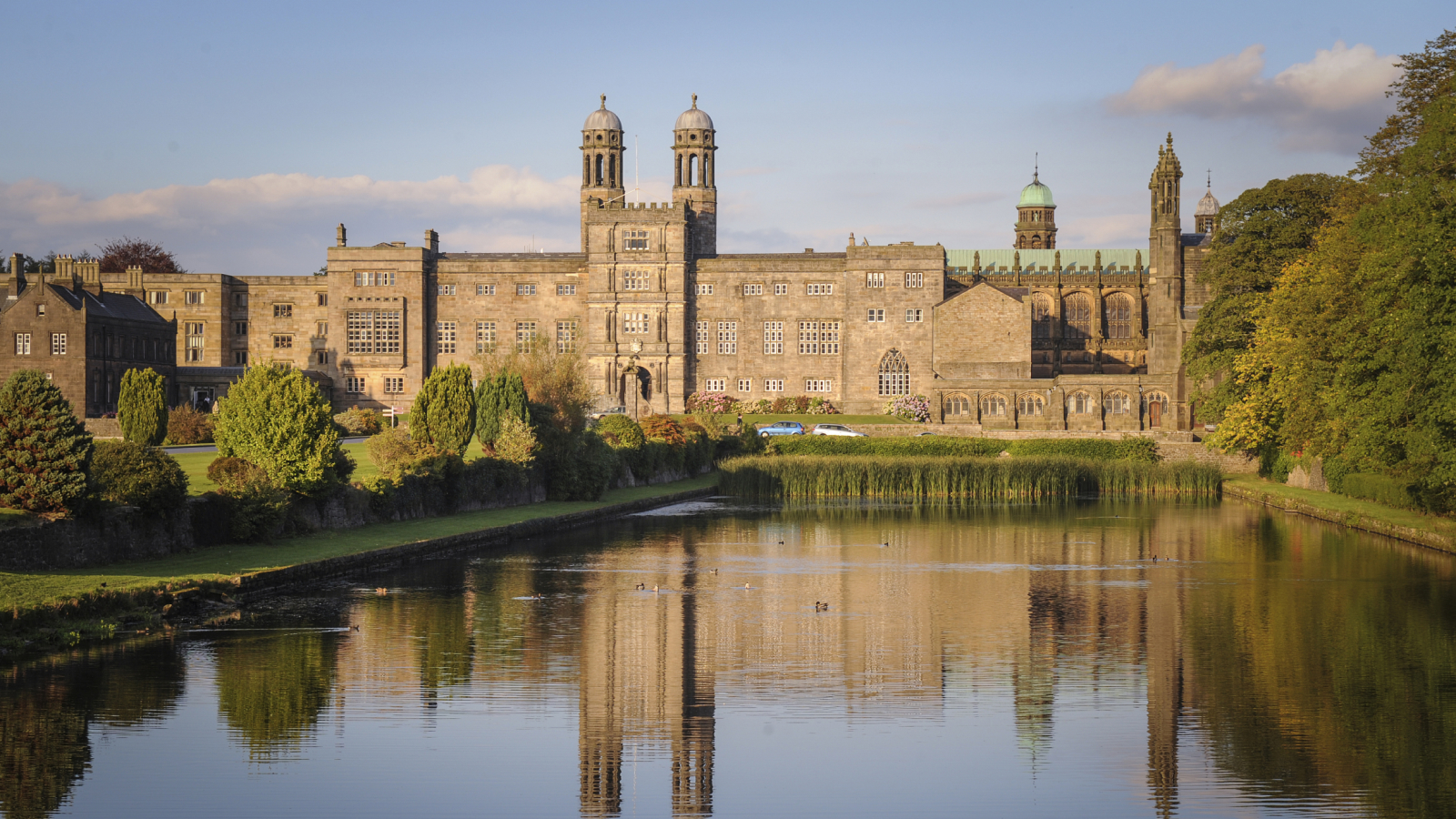
3. Independent (private) schools, fee-paying
Families who want a private education sometimes look at independent schools such as Stonyhurst College. These charge fees, though many offer bursaries and scholarships.
Good news for cost-conscious families: the two routes most Blackburn parents consider (CRGS and QEGS) are both free. There is no fee to sit a state-grammar entrance test, and no tuition fee if your child wins a place.
Just how high is the bar for a selective grammar school?
Selective grammars set a high academic standard, and the results show it. At Clitheroe Royal Grammar School, around
99% of pupils achieve at least a grade 4 (a standard pass) in both English and maths, one of the strongest results in the country and far above the national average. Source: Department for Education, Compare School and College Performance.
That is not meant to put you off; it is meant to show why steady, well-planned preparation makes such a difference. Children who build their skills over time, rather than cramming at the last minute, are the ones who tend to thrive both in the entrance test and once they are there.
Figure accurate as of June 2026, based on the latest published Department for Education data. School results are updated each year, so always check the most recent figures directly.
The 11+ Blackburn entrance test: how it works
For a selective grammar such as CRGS, entry depends on your child’s performance in an entrance test, usually sat right at the start of Year 6 (in the autumn term). Here is what that involves.
What is on the test
Clitheroe Royal Grammar’s entrance test is made up of two age-weighted papers in English and maths (known as the FSCE test), with one multiple-choice paper and one short-written-answer paper. ‘Age-weighted’ means scores are adjusted so younger children in the year group are not disadvantaged. The content is based on what children have already covered at primary school.
Test format accurate as of June 2026; the assessment has changed in recent years. Always check Clitheroe Royal Grammar School’s current admissions handbook for the latest format before you prepare.
Key dates for 2026 (entry in September 2027)
- Registration: you register your child directly with the school. For the latest cycle this opened at noon on 1 June 2026 and closed at noon on 4 September 2026.
- The test: held on a Saturday in late September of Year 6 (26 September 2026 in the latest cycle).
- Results: sent to parents in early to mid October.
- Council application deadline: you must also name the school on your local-authority Common Application Form by 31 October. Missing this deadline is one of the most common and costly mistakes, because passing the test is not enough on its own.
QEGS Blackburn runs to a similar calendar. Applications open in early September, the ‘on-time’ deadline is 31 October, and offers are confirmed by your local authority on National Offer Day in early March. QEGS also asks you to complete its own supplementary information form (SIF) in addition to the council application. If you miss that form, your child may not be considered.
Dates are accurate as of June 2026 but they change each year. Always confirm the current dates on the school’s website and the Blackburn with Darwen admissions pages before you apply.
Catchment areas explained (this matters for Blackburn families)
Catchment is where many Blackburn parents get caught out, so it is worth understanding clearly. Clitheroe Royal Grammar has an immediate catchment and a wider catchment, and children living in these areas are given priority when places are allocated.
Some villages on the northern edge of the Blackburn with Darwen area (for example Wilpshire, Ramsgreave, Mellor, Salesbury, Clayton-le-Dale and Langho) fall inside the school’s immediate catchment. However, most of Blackburn town itself sits outside both catchment areas. The wider catchment is made up of Lancashire borough areas (such as Hyndburn, Burnley and Ribble Valley), and Blackburn with Darwen is a separate authority.
The key point: living outside the catchment does not stop you applying. Your child can still sit the test, and if they meet the required standard they can be offered a place, but in-catchment children who also meet the standard are usually considered first. Check your exact address against the school’s current catchment map before you apply.
How places are allocated (and what ‘pass mark’ really means)
People often ask us “what is the pass mark for the 11+?”, but for most grammar schools there is not a fixed one. Instead:
- Children are ranked by their score on the entrance test;
- Those who reach the ‘required standard’ (in practice often around the top 25%) become eligible for a place;
- If more eligible children apply than there are places, the school applies its oversubscription criteria (looked-after children first, then catchment, then distance, and so on).
This is why preparation matters so much. It is not about scraping a pass, it is about helping your child perform at their genuine best on the day so they land as high up that ranking as possible. For QEGS, remember the logic is different. Because it bands by ability rather than ranking top down, the assessment is about placement, not passing.
📆 Your 11+ preparation timeline (Year 4 to Year 6)
The children who do best are rarely the ones who cram in the summer before the test. They are the ones who built skills and confidence steadily. Here is a realistic timeline.
Year 4: build strong foundations
Focus on solid reading, vocabulary and core maths. This is the stage to grow a genuine love of learning, not to drill test papers. Wide reading now pays off hugely later.
Early Year 5: introduce the test skills
Begin familiarisation with the question types your target school uses (English comprehension, writing and maths problem-solving). Short, regular practice, little and often, beats long and stressful sessions. Aim to start around 10 to 12 months before the test.
Summer before Year 6: sharpen and rehearse
Move on to timed practice papers under realistic conditions so the format feels familiar. Identify weak spots and target them, while keeping things calm and confidence-building.
Start of Year 6: test time
Register, sit the test, and (this is the part people forget) complete the council application by 31 October. After that, it is about keeping your child relaxed and reassured, whatever the outcome.
Clitheroe Royal Grammar vs QEGS Blackburn: at a glance
Here is a quick side-by-side of the two main free routes.
Worried about the cost of Grammar School preparation?
If you’re concerned about the cost of preparing for the 11 plus Blackburn families face, it’s understandable. Private tuition runs expensive and at a cost per subject it quickly stacks up.
At Learning Cubs, many families qualify for funded or subsidised places, so expert 11+ support can cost little or nothing. Take two minutes to check if your family is eligible.
Our 11+ tutors will help your child to get the best possible chance of passing their exams.
Give your Blackburn child the best chance, whatever your budget
Whether your child is aiming for a selective place at Clitheroe Royal Grammar, getting ready for the QEGS assessment, or simply needs to rediscover their confidence and love of learning, the right support makes a real difference. At Learning Cubs, we work in small groups of no more than six, with one-to-one help where it is needed, building bespoke learning journeys around each child, from those who are struggling right through to high-flyers we push even further.
We are Ofsted-registered (registration number 2597663), and funded and subsidised places are available, so expert tuition is within reach for families across Blackburn, often at little or no cost.
Step 1: Check if your family qualifies for a funded place (takes about two minutes).
Step 2: Register for a free assessment, so we can build the right plan for your child.
Sources and useful links
- Clitheroe Royal Grammar School (official website)
- Clitheroe Royal Grammar School performance data (Department for Education)
- QEGS Blackburn Year 7 admissions (official website)
- QEGS Blackburn entry assessment information (Pretest Plus)
- Grammar schools in Blackburn with Darwen (Snobe)
- Blackburn with Darwen school admissions (council)
FAQs
Are there grammar schools in Blackburn?
Blackburn does not have its own state grammar school, but families can apply to Clitheroe Royal Grammar School, a selective state grammar nearby. QEGS Blackburn is a free, non-selective school in the town with an academic ethos. Both are free to attend.
Is the 11+ free to sit?
Yes. Sitting the entrance test for a state grammar such as Clitheroe Royal Grammar is free. You only pay if you choose a fee-paying independent school instead.
What score does my child need to pass?
There is usually no fixed pass mark. Children are ranked by score and places go to the highest performers (often around the top 25%), with catchment and other criteria then applied.
When should we start preparing?
Most families begin focused preparation in Year 4 or early Year 5, around 10 to 12 months before the test. Little and often works far better than last-minute cramming.
Can we apply if we live outside the catchment?
Yes. Children outside the catchment can still sit the test and apply, but in-catchment children who meet the standard are usually given priority when places are allocated.


%C2%A0.jpg)
.png)