If your child is doing well at primary school, you have probably heard two pieces of advice. Some people say "try for a grammar school, it's free". Others say "a private school will give them more attention". Both can be true, and both can be wrong for your child. This article compares the two routes side by side, so you can see what is really different for a Blackburn family.
We look at four schools within reach of Blackburn: Clitheroe Royal Grammar School (a selective state grammar school in Clitheroe, not in Blackburn itself), QEGS Blackburn (a non-selective, state-funded free school that used to be independent and stopped charging fees in 2014), and two fee-paying independent schools, Westholme School and Stonyhurst College. We compare how children are chosen, cost and help with fees, results, class sizes and care, sixth form, entry ages and travel.
This is not a step-by-step application guide. For test dates, catchment rules and how to apply, read our guide to Blackburn grammar school admissions.
⚖️ The short version: what is actually different?
- Who pays: state grammar schools and other state schools charge no fees. Independent schools charge fees, but some families get help through bursaries.
- How children are chosen: a grammar school chooses mainly by one test score. An independent school chooses in its own way, usually with its own assessment, an interview and a school report. QEGS uses a test only to get a mix of abilities.
- When you can join: grammar schools mainly take children at 11 and 16. Independent schools often take children at many ages, and sometimes in the middle of a school year.
- Size and support: independent schools often promise smaller classes. State schools may not publish class sizes, so ask on your visit.
- Who inspects them: state schools are inspected by Ofsted. Many independent schools, including Westholme and Stonyhurst, are inspected by the Independent Schools Inspectorate (ISI).
🔍 Side-by-side comparison
| Clitheroe Royal Grammar | QEGS Blackburn | Westholme School | Stonyhurst College | |
|---|---|---|---|---|
| Type of school | State grammar school (academy) | State free school, non-selective | Independent day school | Independent Catholic (Jesuit) boarding and day school |
| Cost to parents | Free | Free | Fees: see the school's fees page | Fees: see the school's fees page |
| Help with costs | 16 to 19 Bursary Fund in the sixth form | Not needed: free to attend | Means-tested bursaries; academic scholarships at Year 7 | Bursaries only for children given a scholarship or named award |
| How Year 7 places are given | Test score, then priority rules | Banding test (no pass mark), then priority rules | School's own assessments and interview | Online assessments, interview, reports, reference and taster day |
| Ages | 11 to 18 | 4 to 19 (with a nursery) | 3 to 18 | 3 to 18 |
| Usual joining points | Year 7 and Year 12 | Nursery, Reception, Year 7 and Year 12 | Reception, Year 7 and Year 12, and most other years | Any time of year, at many ages |
| Class sizes | Not published on the pages we checked | Not published on the pages we checked | Not published on the pages we checked | Average 12 to 18, the school says |
| Sixth form | Over 660 students from more than 45 schools, A levels only | Sixth form at Singleton House | INSPIRED Sixth Form, A levels | A levels, International Baccalaureate and Cambridge Technicals |
| Inspected by | Ofsted | Ofsted | ISI | ISI |
| Getting there from Blackburn | Train or bus to Clitheroe | In Blackburn; free shuttle from Penny Street | In Pleasington, on the west side of Blackburn; school coaches | About 30 minutes by car; no Blackburn bus route listed |
Information taken from each school's own website and from government data in October 2026. Always check with the school, because details change.
🏫 Meet the four schools
Clitheroe Royal Grammar School: state grammar school, selective
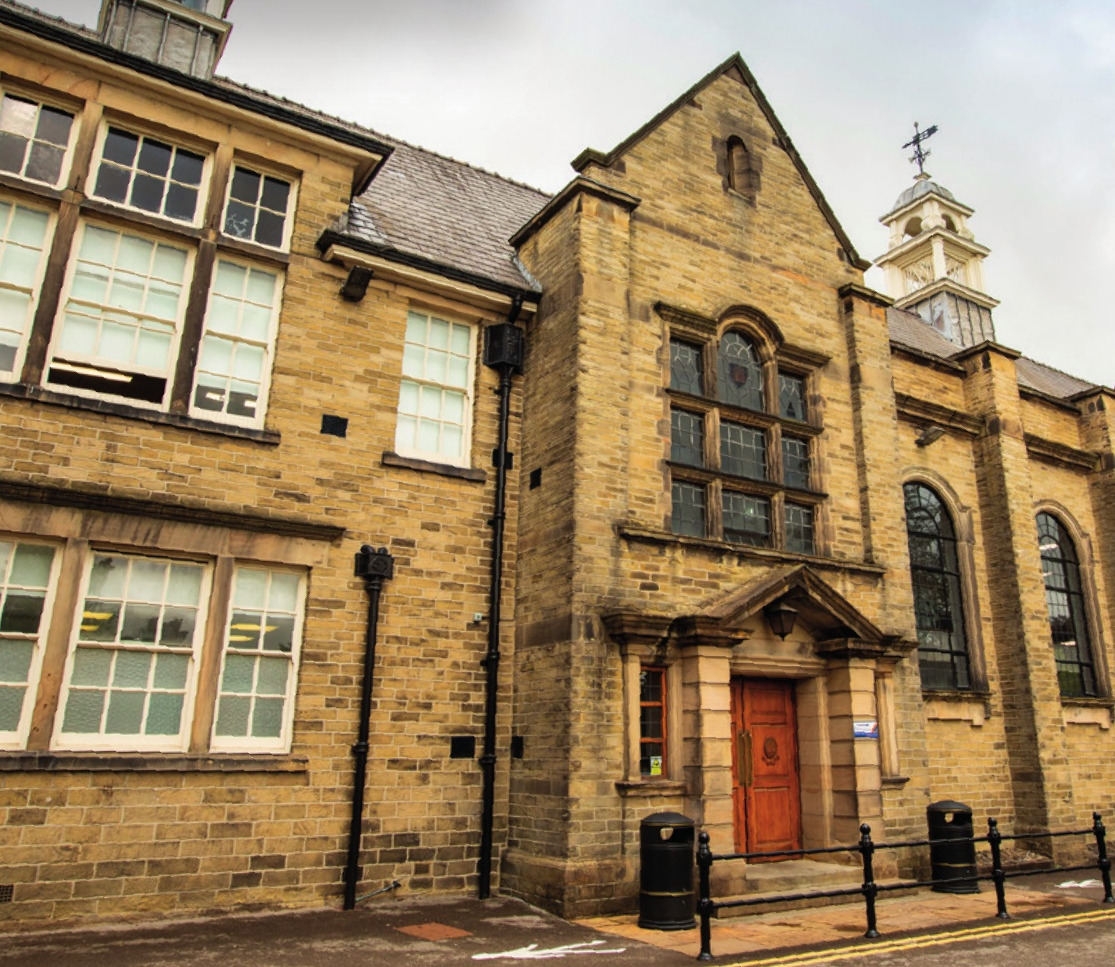
Clitheroe Royal Grammar School (CRGS) is in Clitheroe, in the Ribble Valley, not in Blackburn itself, but it is the nearest state grammar school to most Blackburn families. It is one of the oldest schools in Lancashire: it was set up as a grammar school in 1554, and today's mixed school was formed in 1985 when it joined with Clitheroe's girls' grammar school. Its history page tells the story. Years 7 to 11 are taught on Chatburn Road, and the sixth form has its own site on York Street.
Because every pupil has passed a demanding test, lessons tend to move quickly. That suits many children, but it can be hard for a child who is used to being "top of the class" and suddenly finds everyone around them is just as able. The school says its pastoral system gives every pupil a form tutor and a Head of Year, with a school counsellor on site two days a week and a school nurse.
QEGS Blackburn: a non-selective free school with an independent-school history
Queen Elizabeth's Grammar School (QEGS) sits on West Park Road, close to Blackburn town centre. Its history page says it was founded in 1509, received a Royal Charter from Queen Elizabeth I in 1567, and was an independent, fee-paying school for much of the 20th century. It became fully co-educational in 2001 and turned into a state-funded free school in 2014, so it no longer charges fees.
QEGS is important in this comparison because it sits in between. Like a state grammar school, it charges no fees, and it says it keeps an "independent-school ethos", but it is not selective. Children sit an assessment only so the school can take a mix of abilities. It is also an all-through school for ages 4 to 19, so some children join long before Year 7. Its last full Ofsted grade was Good, in 2019. A shorter inspection in March 2025 said some areas may not be as strong as before, and that the next inspection will be graded, so read the QEGS Ofsted reports before you decide.
Westholme School: independent, on Blackburn's doorstep
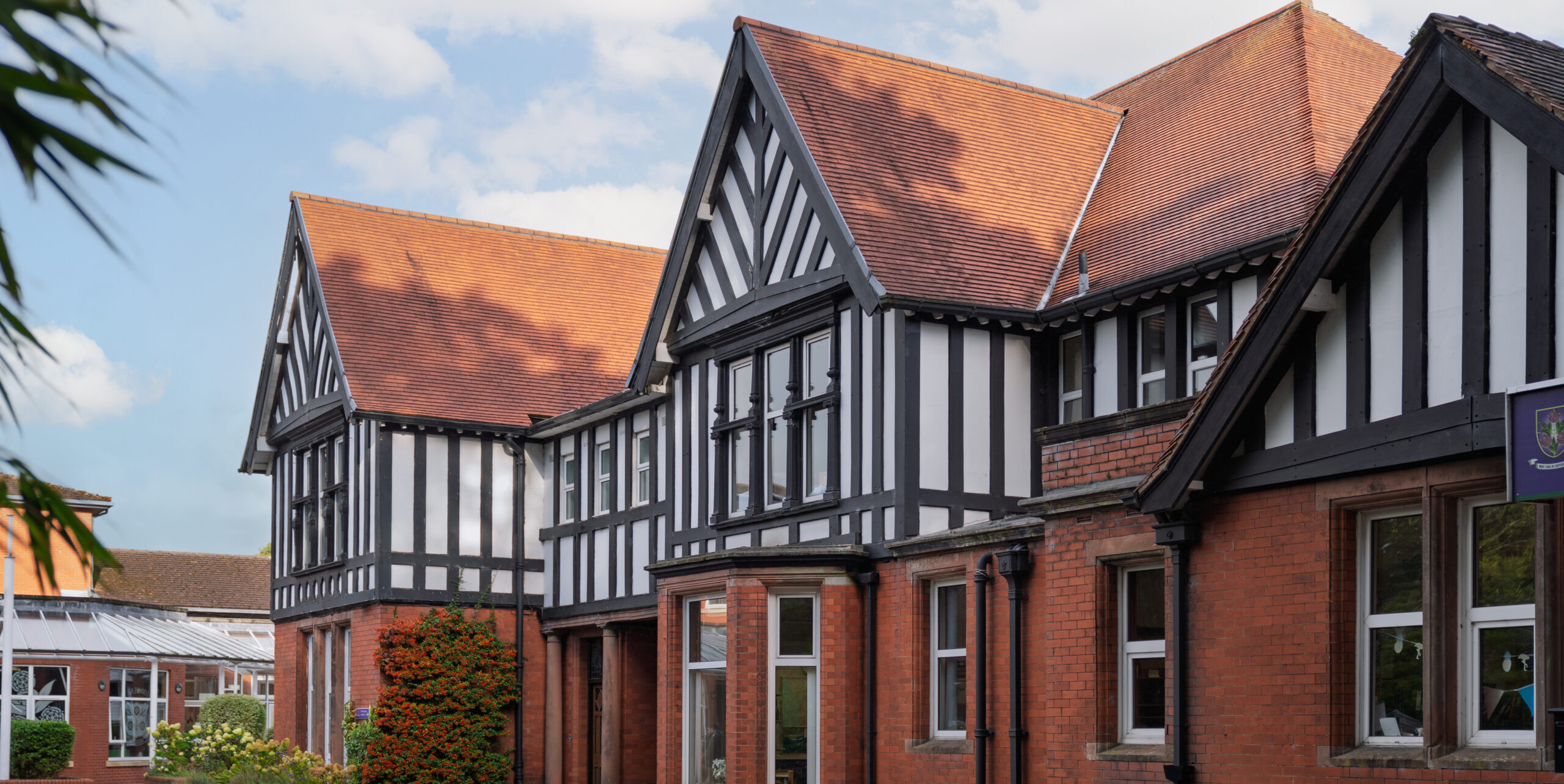
Westholme School is an independent day school on Meins Road in Pleasington, on the western edge of Blackburn. It opened in 1923 with just three pupils, and it celebrated 100 years in 2023. Today its Prep, Senior and Sixth Form are all on one campus. The Westholme history page has more.
For many Blackburn families, Westholme is the most local independent option. The school says pastoral care is "the heartbeat" of the school. Its pastoral care page describes an Assistant Head for Wellbeing, Heads of Year, school nurses and a wellbeing adviser who is a registered counsellor. Westholme also says it has entry points into most year groups, not just the usual ones.
Stonyhurst College: independent, Catholic and partly boarding
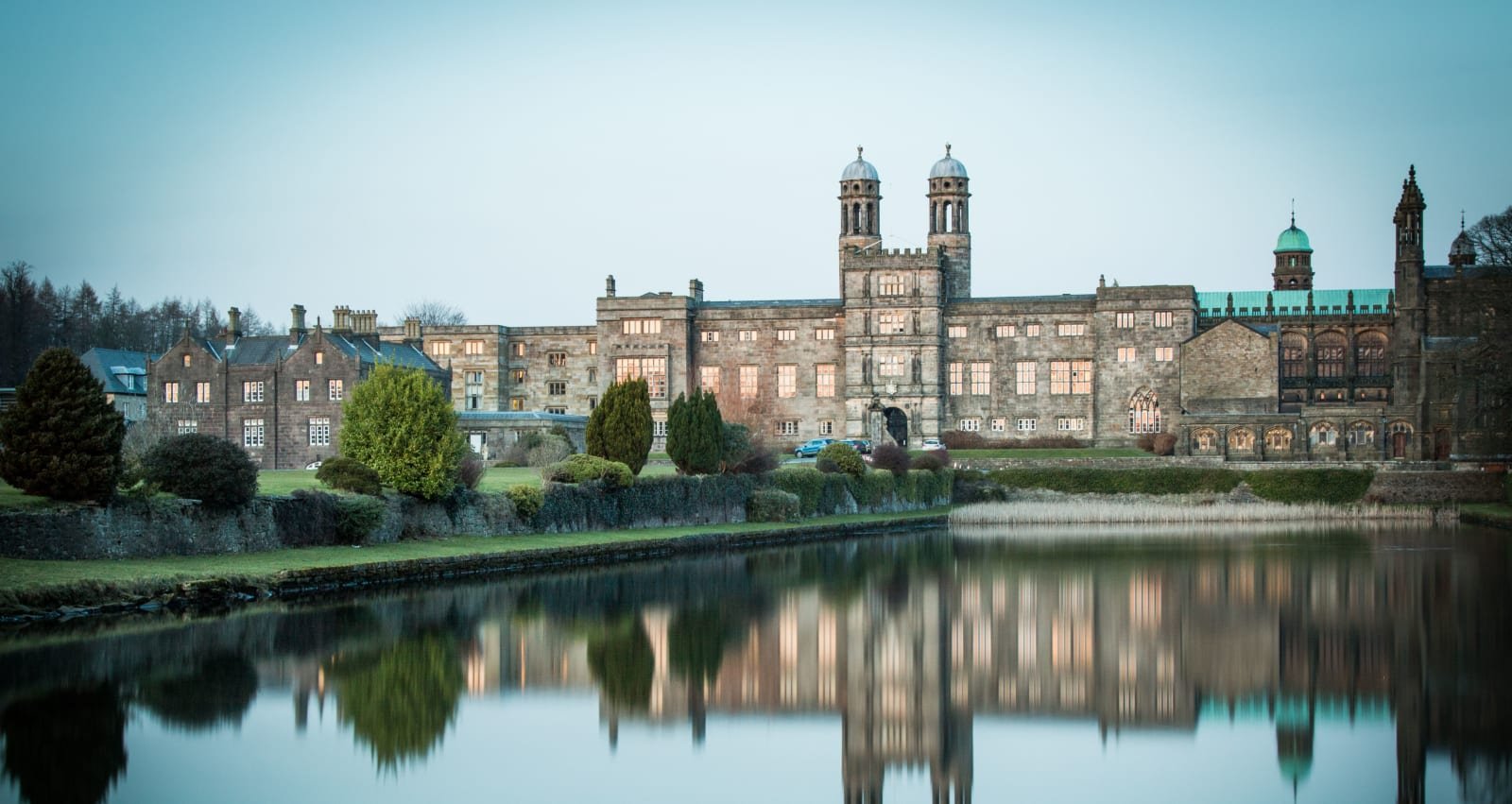
Stonyhurst College is a Catholic school in the countryside near Hurst Green, in the Ribble Valley. It was founded in 1593 by Jesuit priests and says it is the oldest Jesuit school in the world that has kept running without a break. It has about 800 pupils aged 3 to 18, from more than 30 countries.
Stonyhurst feels very different from a day school. The school says about two thirds of its pupils board, and day pupils join in the same lessons, activities and evening programme. It reports an average class size of 12 to 18. Its faith is central to school life, so think about whether that suits your family, whatever your own background.
🎯 How children are chosen: three different ideas
The biggest difference is not the test paper. It is what the school is trying to find out.
- Grammar school (CRGS): the test decides almost everything. Children who reach the required standard are ranked by score and by priority rules. A child who has a bad day may miss out, even if their schoolwork is excellent.
- Non-selective free school (QEGS): the assessment is not a pass or fail test. The school uses it to make sure it takes children from across the whole ability range. See the QEGS Year 7 admissions page.
- Independent schools (Westholme and Stonyhurst): the school looks at the whole child. Stonyhurst, for example, asks for online assessments, an interview, two years of school reports, a reference, a short handwritten personal statement and a taster day, according to its application procedures. A good interview or a strong report can make a difference.
So a child who is bright but anxious in exams may show their best side more easily in an independent school's process. A child who performs well under pressure may find the grammar school test a fair way to show what they can do. Our Blackburn admissions guide explains the CRGS and QEGS tests in detail.
💷 Cost: free is not quite "no cost", and fees are not always full fees
State grammar schools and other state schools, including free schools such as QEGS, charge no fees, and there is no charge to sit their tests. You will still pay for uniform, travel, trips and equipment, as at any school. Travel can add up if the school is outside Blackburn.
Independent schools charge fees every term, usually for every year your child is there. We do not list fees here because they change each year. Check the Westholme fees page and the Stonyhurst fees page, and remember to ask about extra costs such as lunches, coaches and trips.
Help with fees works very differently at each school:
- Westholme: offers means-tested bursaries. You register your child, fill in an online bursary form, and the school then looks closely at your family's finances. It also offers academic scholarships at Year 7. See its scholarships and bursaries page.
- Stonyhurst: bursaries are only for children who have been offered a scholarship or a named award, so the bursary comes second. Read the Stonyhurst fee support page early, because award deadlines come round quickly.
- CRGS sixth form: there are no fees, but students from lower-income families may get help with costs such as travel from the 16 to 19 Bursary Fund, as explained on the CRGS sixth form admissions page.
Plan for the whole journey: if you are thinking about fees, think about seven years, not one. Ask each school how often fees go up and whether a bursary is reviewed every year.
📊 Results: what the numbers can and cannot tell you
The government publishes GCSE results for every school in England in the same format, on its Compare school performance website. This includes independent schools, although only state schools are held to account against these measures. In 2025, CRGS had an Attainment 8 score of 74.4, and 96.0% of pupils got grade 5 or above in English and maths, according to the CRGS performance data. At QEGS, the Attainment 8 score was 47 and 36.9% of pupils got grade 5 or above in English and maths, according to the QEGS performance data. For comparison, the averages were 45.4 and 43.9% across Blackburn with Darwen, 45.1 for Lancashire and 46.1 for England. These averages cover state schools only.
Attainment 8 is a score based on a pupil's results in up to eight GCSE subjects. It is useful, but remember what sits behind it. A grammar school only takes children who have already passed a hard test, so you would expect its results to be very high. A non-selective school takes children of every ability, so its average will naturally be lower, even when its teaching is strong.
We have not used the government figures for the two independent schools. The government tables do not count most International GCSEs, which many independent schools use, so a school's own figures are the better guide (see Ofqual's explanation). Each school chooses how to present its results, so they are not directly comparable.
Here is what the two schools report. Westholme reports that in 2026, 45% of its GCSE entries were graded 9 to 7 (see the Westholme results page). Stonyhurst reports that in 2026, 45% of its GCSE grades were 9 to 7 (see the Stonyhurst results page).
A better question to ask: "How well do children like mine do here?" Ask each school how pupils with a similar starting point get on, and what help is given if a child falls behind.
🎓 Sixth form and A levels
All four schools have sixth forms, so children can stay on at 16.
- CRGS says it has over 660 sixth formers from more than 45 schools, with no entrance test at 16 (see the CRGS sixth form admissions page). Its average A level grade in 2025 was B- (see the CRGS sixth form data).
- QEGS has no catchment area for its sixth form and asks for five GCSEs at grade 5 or above (see the QEGS sixth form FAQs). Its average A level grade was C (see the QEGS sixth form data).
- Westholme runs its INSPIRED Sixth Form. Its average A level grade was B- (see the Westholme sixth form data).
- Stonyhurst offers A levels, the International Baccalaureate and Cambridge Technicals, and takes new pupils at 16 after an interview and entrance exam (see its application procedures). Its average A level grade was B+ (see the Stonyhurst sixth form data), and the school reports that government data ranks it 16th out of 2,540 schools and colleges for A level progress (see the Stonyhurst results page).
For comparison, the England average across all schools and colleges was B-.
Our guide to life after GCSEs in Blackburn is coming soon.
👩🏫 Class sizes, care and everyday life
Smaller classes are one of the main things independent schools offer. Stonyhurst says its average class is 12 to 18 pupils. We could not find published class sizes for CRGS, QEGS or Westholme, so ask each school on your visit, and ask about class sizes in the subjects your child finds hardest.
All four schools describe strong pastoral care, but in different ways. CRGS lists a pastoral team with Heads of Year, a counsellor and a nurse. Westholme has a senior leader for wellbeing and a counsellor who also works with younger pupils. At Stonyhurst, day pupils share a community where most pupils board, which some children love and others find tiring. At QEGS, an all-through school, some pupils will have known each other since nursery, so a new Year 7 child may need help to settle into friendship groups.
Think about the school day, too. A long journey, a longer day for clubs and matches, or weekend activities at a boarding school can all affect family life.
🗓️ Entry ages: it is not only about the 11+
Grammar schools mainly take new pupils into Year 7, with more joining in Year 12. Independent schools are more flexible. Westholme's usual entry points are Reception, Year 7 and Year 12, but it says it has places in most years. Stonyhurst accepts applications at any time of year. QEGS takes children from nursery age upwards.
This matters if your family moves to Blackburn mid-year, or if your child is unhappy at their current school. It also means an independent school can be a "plan B" if a grammar school place does not work out.
🚌 Getting there from Blackburn
- CRGS: Clitheroe is outside Blackburn, so most children travel by train or bus. The CRGS transport page says Blackburn Bus Company runs many public services to and from Clitheroe.
- QEGS: close to the town centre. The school runs a free "Wait and Ride" shuttle from Penny Street, next to Blackburn bus station, each morning and afternoon. See the QEGS transport page.
- Westholme: on the west side of Blackburn, and it runs 11 coach routes, booked online. Check the Westholme coach routes for stops near you.
- Stonyhurst: the school says the drive from Blackburn takes about 30 minutes. Its school buses run from Preston, Burnley and Clitheroe, and we did not find a Blackburn route on its day pupil transport page.
🧒 Which might suit your child?
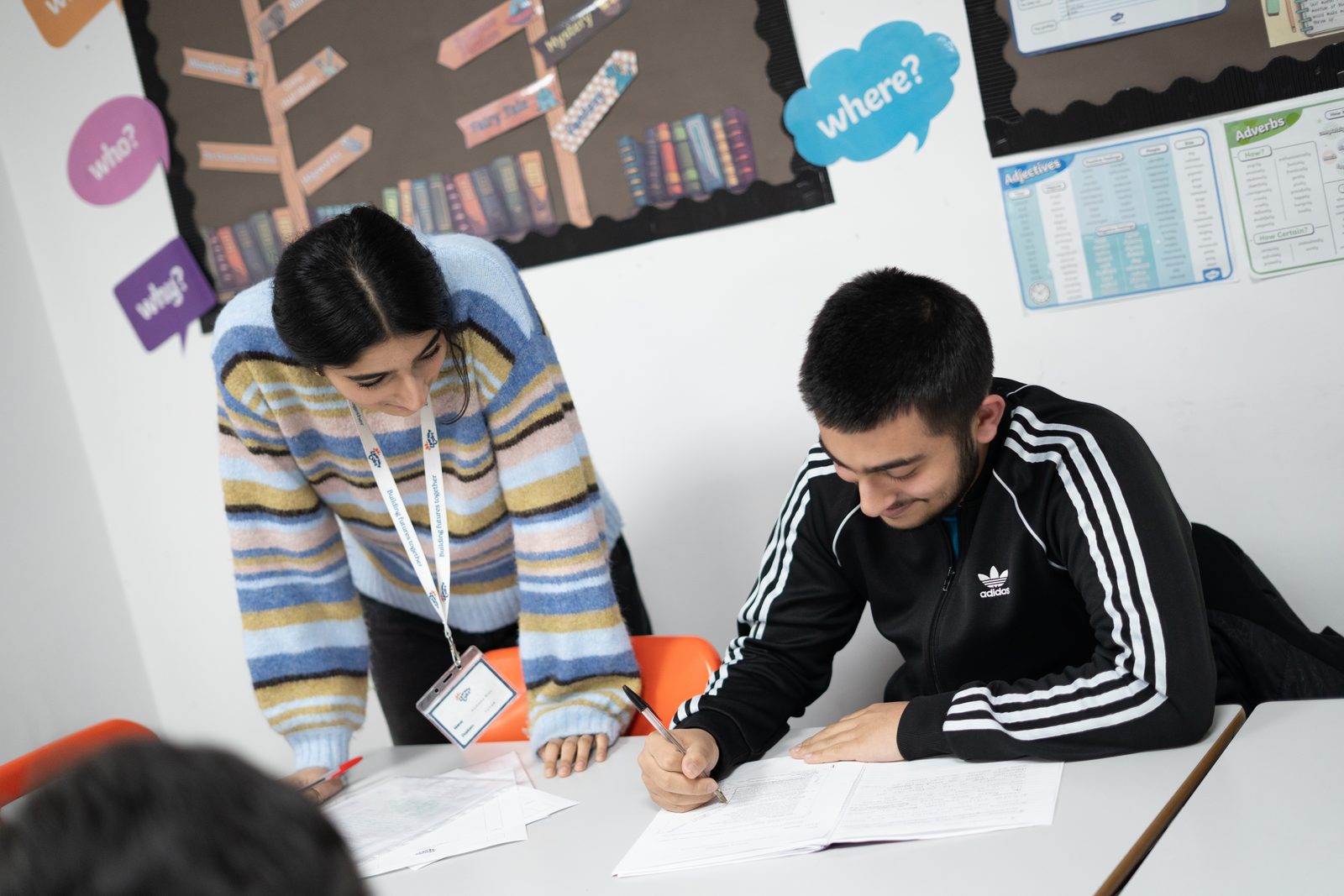
There is no single best school. Here are some patterns we see. They are a starting point for talking with your child, not rules.
- A grammar school may suit a child who enjoys a fast pace and a challenge, copes well with tests, and would be happy among many equally able classmates. It is also the obvious choice if fees are not possible.
- QEGS may suit a child who would like an academic, traditional school close to home, without the pressure of having to pass a test.
- A local independent day school like Westholme may suit a child who needs more individual attention, has talents in music, drama or sport, or might not show their best in a single exam.
- A school like Stonyhurst may suit a child who would enjoy a boarding-school community and a wide sixth form choice, and whose family is comfortable with a Catholic ethos. It is more realistic if your family can drive or reach one of its bus routes.
✅ A short decision checklist
- Talk to your child. What do they enjoy? How do they feel about tests?
- Check your budget honestly. If you are thinking about fees, plan for every year, not just Year 7, and check bursary rules early.
- Visit at least two different types of school. Ask about class sizes, homework and pastoral care.
- Try the journey at school time, before you apply.
- Read the latest inspection report for each school (Ofsted or ISI).
- Keep a back-up. Always include a local school you are happy with on your council form.
- Check the deadlines in our Blackburn admissions guide, because some close early in Year 6.
🌟 Whichever route you choose, we can help
Grammar school tests and independent school assessments look for the same strong basics: confident reading, a wide vocabulary, solid maths and calm problem-solving. Our Blackburn tutors prepare children for both routes, and our 11+ tuition support builds confidence for test day and interviews.
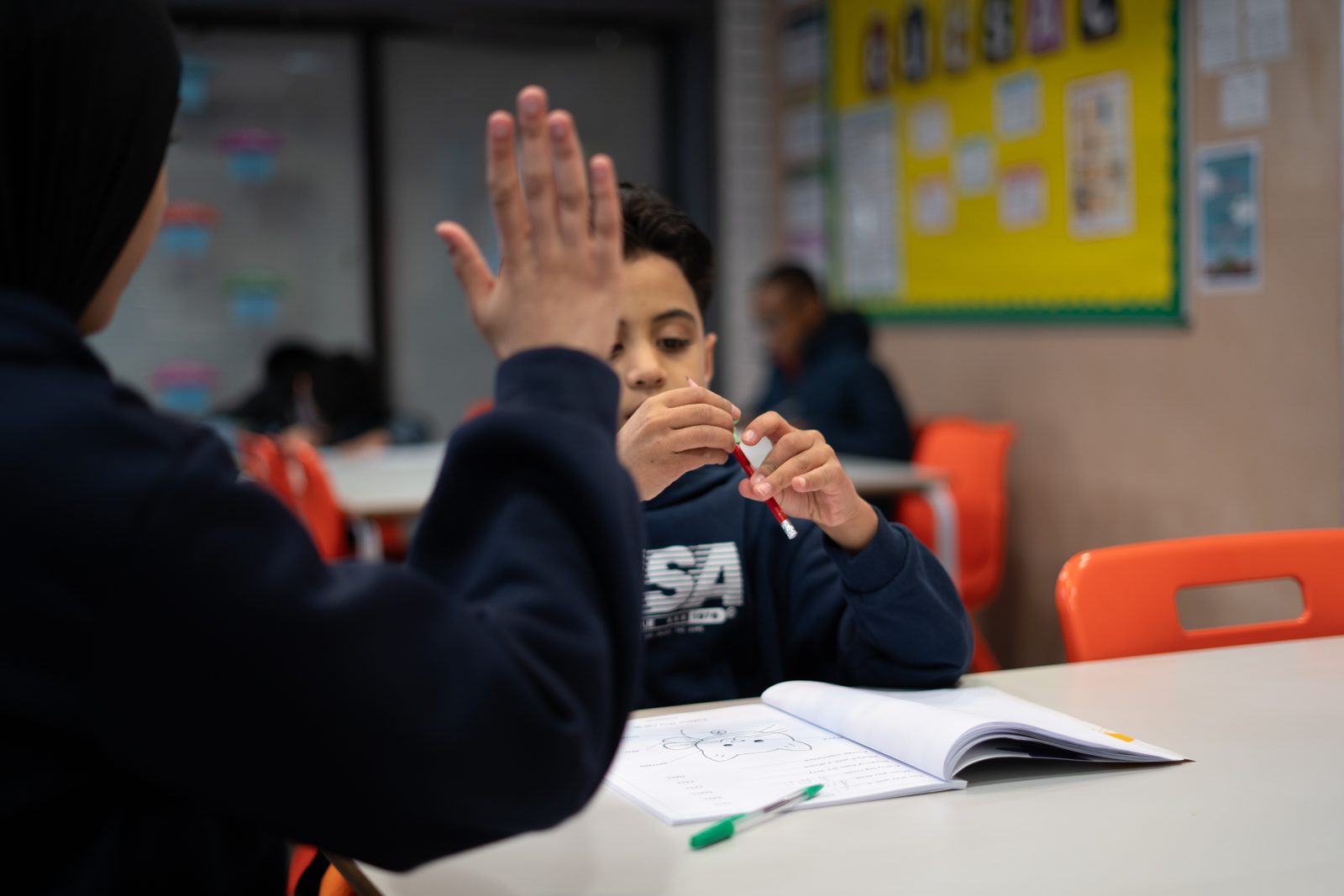
At our Learning Cubs Blackburn centre, children learn in small groups of no more than six, with one-to-one help where it is needed. We are Ofsted-registered (registration number 2597663), and many families qualify for funded or subsidised places.
Step 1: Check if your family qualifies for a funded place (it takes about two minutes).
Step 2: Book a free assessment, so we can build the right plan for your child.
Grammar vs independent schools in Blackburn: FAQs
Is a grammar school better than an independent school?
Not automatically. Grammar schools get very high results partly because they choose children by ability. Independent schools may offer smaller classes and more flexible entry, but they charge fees. The best school is the one that suits your child and your family.
Is QEGS Blackburn a grammar school or a private school?
Neither, today. QEGS was an independent school for many years, but it became a free, state-funded school in 2014. It keeps "Grammar" in its name, but it does not select pupils by ability, and it charges no fees.
Can we apply to a grammar school and an independent school at the same time?
Yes. They have separate processes and different timetables, so many families apply to both. Our Blackburn admissions guide explains the grammar school deadlines.
Do independent schools give bursaries?
Many do, but the rules differ. Westholme offers means-tested bursaries after a financial assessment. At Stonyhurst, bursaries are only for children who have first been offered a scholarship or named award.
Are class sizes smaller at independent schools?
Often, but check. Stonyhurst says its average class size is 12 to 18. Many schools, state and independent, do not publish class sizes, so ask on your visit.
If my child does not get a grammar school place at 11, is that the end?
No. Many children join a selective sixth form at 16. CRGS, for example, has no entrance test and no catchment area for sixth form entry; it looks at GCSE grades instead.
Further reading
- Comparing CRGS, Stonyhurst and QEGS from Burnley? See our Burnley grammar vs independent guide.
- Looking at CRGS and Stonyhurst from Pendle? See our Nelson grammar vs independent guide.
- Applying for a grammar school place? Read our Blackburn grammar school admissions guide.
- Applying for Year 7? See Blackburn with Darwen Council school admissions.